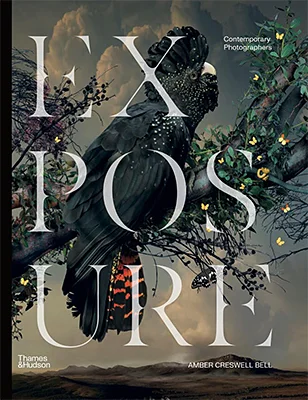
Exposure: Contemporary Photographers is a vibrant survey of the creative energy shaping contemporary photography today. Curated by Amber Creswell Bell, the book brings together forty artists whose work spans continents, subjects, and approaches, offering a rich mosaic of vision and technique. At its core, the collection explores the decisive moment, the instant when a photograph crystallizes emotion, narrative, and observation, revealing the delicate balance between intention and chance.
The featured photographers approach the medium in remarkably diverse ways. Some, like Leila Jeffreys, immerse the viewer in intimate, often theatrical scenes; others, such as Bill Henson, harness shadow and light to evoke mood and tension. Kara Rosenlund and many others examine identity, environment, and social dynamics through lenses that are both personal and expansive. Across these practices, there is a shared pursuit of resonance—a desire to connect the captured image with the viewer’s own perception and experience, whether through landscape, portraiture, or conceptual experimentation.
The book emphasizes not only the visual outcome but also the process and philosophy behind the work. Artists discuss their approach, reflecting on the choices that shape an image: framing, exposure, gesture, and timing. These insights illuminate the complexity of contemporary photography as a medium capable of conveying subtle cultural nuances, challenging conventions, and provoking thought. Each sequence within the book demonstrates the ways photographers negotiate between spontaneity and deliberation, whimsy and rigor, observation and imagination.
Exposure celebrates photography as a lens through which we can explore the world and ourselves. From striking landscapes to intimate domestic moments, from constructed tableaux to fleeting street encounters, the book captures the energy, diversity, and innovation of contemporary practice. It invites readers to pause, reflect, and engage with the artistry and sensitivity that mark these photographers’ work, reaffirming the enduring power of the image to inspire, question, and illuminate.
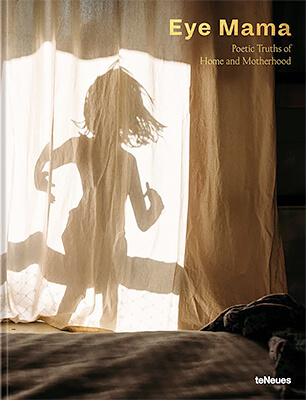
The Eye Mama book is a photographic portfolio showcasing the mama narrative and the mama gaze, what female and non-binary photographers see when they look at, and into the home.
Based on the Eye Mama Project, a photography platform sharing a curated feed by photographers worldwide who identify as mamas, the Eye Mama book brings together more than 150 images to render what is so often invisible―caregiving, mothering, family and the post-motherhood self― visible.
Eye mama was created by BAFTA-nominated filmmaker and photographer Karni Arieli during the pandemic, when everyone around the world was in lockdown and spending more time in the home, often consumed by caregiving. The visual movement centres around the “mama gaze”, an introspective look at home and care by female and non-binary visual artists.
This iconic book of photographs brings together the images from this movement, experiencing the light and dark of care and parenthood, the beauty of close-up details, love and hardship, and most importantly, the personal poetic truths of these mamas and artists.
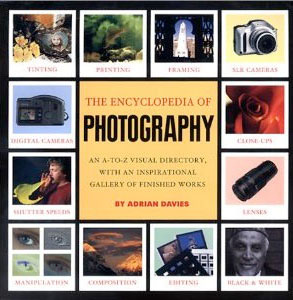
An A-Z Directory, With An Inspirational Gallery Of Finished Works.
From shutter speeds and F-stops to darkrooms and digital manipulation software, this comprehensive guide covers everything beginning and professional photographers need to know. Filled with full-color, step-by-step illustrations and instructions.
For some travelers, a hotel is simply a place to stay. For LEONE, it is an experience shaped by atmosphere, people, and a sense of belonging. His third book, *A Place We Like*, grew out of a years-long search for that elusive feeling. Published as the inaugural title under the Leisure imprint of C41 Magazine, the project serves as both a visual guide to some of Europe’s most remarkable hotels and a personal reflection on the meaning of hospitality.
Discover Crossing, Kaplan’s powerful documentary photography project capturing Roxham Road, the irregular Canada-US border crossing used by refugees from 2018 to 2023.
Spurred by Trump-era immigration policies, this tiny site between New York and Quebec became a safe, highly unusual microcosm of global migration. Over four years, Kaplan photographed the entire ecosystem—from local cab drivers and border police to the asylum-seekers themselves. Moving past traditional media tropes of victimhood, these photographs challenge stereotypes to highlight the immense courage and resilience required to step into an unknown future before the site's closure in 2023.
I have spent years looking at Lee Friedlander’s America. It has always been a country of sharp angles, cluttered street corners, and shadows that seem to swallow the photographer whole. So when I picked up his latest monograph, Life Still, I expected the familiar noise of his world. Instead, I found something stranger: a 91-year-old master holding his breath.
Part of a bigger journey of liberation through self-exploration, this new photobook by Jo Ann Chaus is above all a collection of self-portraits, complemented by landscapes, still lifes and domestic interiors observed and inhabited by the photographer-cum-model
Blending photography and poetry, Burnt Eyes explores nostalgia, memory, and identity, offering a profound reflection on the complexities of belonging and the stories that shape us.
Seasons of Time by Nathalie Rubens is an intimate and fearless photobook exploring the emotional distance and deep connection between mother and daughter, while confronting the beauty, vulnerability, and physical reality of a woman’s aging body with rare honesty.
1804 continues Rich-Joseph Facun’s exploration of life in the Appalachian foothills of Southeast Ohio, this time turning his lens toward the local university and its complex, symbiotic relationship with the surrounding community.
GOST Books presents Robin Bernstein’s debut photobook MAPALAKATA, a compelling visual investigation into landscape, memory, and the layered histories of Southern Africa. The project offers a nuanced reflection on how geography is not only inhabited, but continually rewritten through movement, extraction, and shifting narratives of belonging.