Do you want to improve your street or documentary portrait photography or define your personal style?
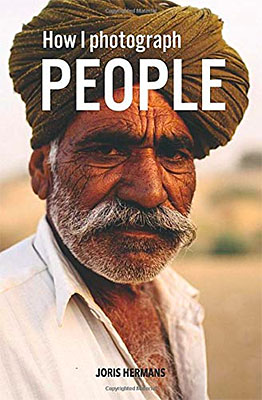
This is a no-nonsense guide by award-winning photographer Joris Hermans [jorishermans.com] to inspire street and portrait photographers or enthusiasts who want to improve their photos.
In this book, Joris, founder of THE WORLD AHEAD OF US² [theworldaheadofus.com] explains how he works, what gear he uses and what the important elements are for his street portrait style with lots of example photos from and camera settings. Filled with personal tips and advice, this guide will help you to make better photos... An inspiration for you to get out there with new ideas...!
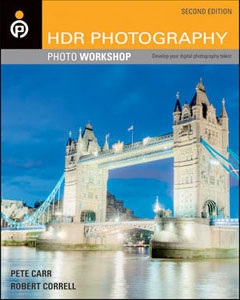
High Dynamic Range (HDR) photography offers a new range of creative possibilities to the photographer who is skilled in the technique. HDR requires specific camera skills as well as the use of specialized software, and the photographers who wrote this book are experts in both. They explain the process of shooting the same subject at different exposures, combining those shots into a single HDR image, fine-tuning brightness and contrast, minimizing noise, layering images, and more, including creative techniques with Photoshop and Lightroom.
In this small, tongue-in-cheek booklet, Thomas Vanden Driessche outlines how to be a number of photographer types in four simple steps. Using humorous stereotypes, photo booth self-portraits and no little amount of self-depreciation, he enlightens the curious layperson who seeks to become, for instance, a contemporary photographer, war photographer, conceptual or surrealist photographer, wildlife photographer or modern photojournalist, and even goes so far as to include a (bad) amateur, wedding, kitsch, crowdfunded or emerging photographers. Steps toward becoming a photographer aligned with either the Helsinki or Düsseldorf school are an added bonus.
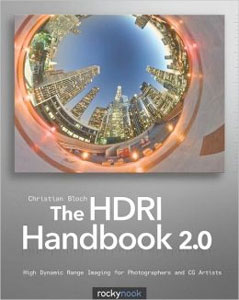
In 2007, The HDRI Handbook was the first book to present this revolutionary new field to a larger audience. These days HDRI is a fully mature technology available to everyone. Real estate and landscape photographers have adopted it as part of their regular workflow, it has become one of the hottest trends for ambitious amateurs and creative professionals alike, and the modern movie industry would be completely dysfunctional without it. Now The HDRI Handbook 2.0 redefines its own gold standard. It has been completely rewritten and is packed with practical hints and tips, background knowledge, reference tools, breathtaking artist portfolios, and inspiring interviews. The book includes dozens of new step-by-step tutorials. Beginners will get a methodically solid introduction and advanced readers will be able to refine their technique to perfection.
For some travelers, a hotel is simply a place to stay. For LEONE, it is an experience shaped by atmosphere, people, and a sense of belonging. His third book, *A Place We Like*, grew out of a years-long search for that elusive feeling. Published as the inaugural title under the Leisure imprint of C41 Magazine, the project serves as both a visual guide to some of Europe’s most remarkable hotels and a personal reflection on the meaning of hospitality.
Discover Crossing, Kaplan’s powerful documentary photography project capturing Roxham Road, the irregular Canada-US border crossing used by refugees from 2018 to 2023.
Spurred by Trump-era immigration policies, this tiny site between New York and Quebec became a safe, highly unusual microcosm of global migration. Over four years, Kaplan photographed the entire ecosystem—from local cab drivers and border police to the asylum-seekers themselves. Moving past traditional media tropes of victimhood, these photographs challenge stereotypes to highlight the immense courage and resilience required to step into an unknown future before the site's closure in 2023.
I have spent years looking at Lee Friedlander’s America. It has always been a country of sharp angles, cluttered street corners, and shadows that seem to swallow the photographer whole. So when I picked up his latest monograph, Life Still, I expected the familiar noise of his world. Instead, I found something stranger: a 91-year-old master holding his breath.
Part of a bigger journey of liberation through self-exploration, this new photobook by Jo Ann Chaus is above all a collection of self-portraits, complemented by landscapes, still lifes and domestic interiors observed and inhabited by the photographer-cum-model
Blending photography and poetry, Burnt Eyes explores nostalgia, memory, and identity, offering a profound reflection on the complexities of belonging and the stories that shape us.
Seasons of Time by Nathalie Rubens is an intimate and fearless photobook exploring the emotional distance and deep connection between mother and daughter, while confronting the beauty, vulnerability, and physical reality of a woman’s aging body with rare honesty.
1804 continues Rich-Joseph Facun’s exploration of life in the Appalachian foothills of Southeast Ohio, this time turning his lens toward the local university and its complex, symbiotic relationship with the surrounding community.
GOST Books presents Robin Bernstein’s debut photobook MAPALAKATA, a compelling visual investigation into landscape, memory, and the layered histories of Southern Africa. The project offers a nuanced reflection on how geography is not only inhabited, but continually rewritten through movement, extraction, and shifting narratives of belonging.