The fastest, easiest, most comprehensive way to learn. The best-selling series of hands-on software training workbooks, offers what no other book or training program does-an official training series from Adobe, developed with the support of Adobe product experts. Contains 16 lessons that cover the basics and beyond, providing countless tips and techniques to help you become more productive with the program. You can follow the book from start to finish or choose only those lessons that interest you.
Creative professionals seeking the fastest, easiest, most comprehensive way to learn Adobe InDesign choose Adobe InDesign CC Classroom in a Book (2019 release) from Adobe Press. The 15 project-based step-by-step lessons show users the key techniques for working in InDesign. Designers will build a strong foundation of typographic, color, page layout, and document-construction skills that will enable them to produce a broad range of print and digital publications—from a simple postcard to an interactive Adobe PDF with form fields. The real-world tasks in this comprehensive book are presented in an easy-to-follow, step-by-step format and are designed to train beginning Adobe InDesign users in the program—from fundamental features to powerful layout and output skills.
Creative professionals seeking the fastest, easiest, most comprehensive way to learn Adobe InDesign choose Adobe InDesign Classroom in a Book (2020 release) from Adobe Press. The project-based step-by-step lessons show users the key techniques for working in InDesign. Designers will build a strong foundation of typographic, color, page layout, and document-construction skills that will enable them to produce a broad range of print and digital publications-from a simple postcard to an interactive Adobe PDF with form fields. The real-world tasks in this comprehensive book are presented in easy-to-follow lessons and are designed to train beginning Adobe InDesign users in the program-from fundamental features to powerful layout and output skills.
The evolution of mobile imaging reaches a new milestone as Scott Kelby releases the second edition of his definitive guide to the iPhone camera system. As the digital landscape shifts toward high-performance lenses tucked inside pocket-sized devices, the gap between amateur snapshots and professional-grade art continues to shrink. Kelby, recognized globally for his ability to translate complex technical jargon into accessible advice, approaches the smartphone not as a secondary tool, but as a primary instrument capable of sophisticated output. This updated volume serves as a bridge for those looking to harness the computational power of modern sensors without getting lost in the menus.
The core philosophy of the work rests on the idea that professional principles—lighting, composition, and posing—remain constant regardless of the hardware. By treating the iPhone with the same respect one might afford a high-end mirrorless setup, the text reveals how to master portraiture in challenging lighting and capture expansive landscapes with startling clarity. It specifically addresses the nuances of the latest Apple hardware, utilizing features like Photographic Styles and advanced ProRAW capabilities to ensure the final image rivals traditional studio work. The guidance moves beyond mere operation, touching on the delicate art of subject interaction and the organizational workflows necessary for managing a vast digital library.
What distinguishes this approach is the conversational tone that makes a day of shooting feel like a private mentorship. Instead of focusing on theoretical physics, the focus remains on practical execution: how to make food look appetizing, how to frame a car for maximum impact, and how to edit with a light touch that preserves a natural aesthetic. By dedicating each page to a single transformative trick or tool, the guide empowers users to produce photos that provoke genuine disbelief. The result is a testament to the fact that the best camera is indeed the one currently in hand, provided the person behind the lens knows which rules to follow and which to break.
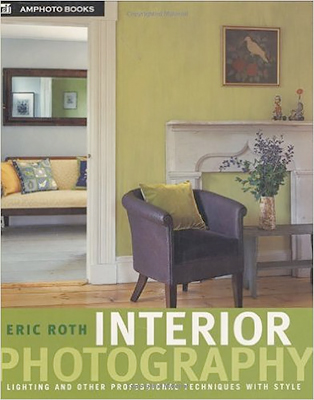
This new book on interior lighting and other professional techniques is a great collection of information on how one of its best photographers became successful in his craft. Roth shares all of his experience on interior photography including clear illustrations on lighting set up, and how to find the best camera position. Easy to understand even for amateur photographers who want to learn professional techniques. The title says “interior” but there is also a section on photographing yards and gardens as well.
For some travelers, a hotel is simply a place to stay. For LEONE, it is an experience shaped by atmosphere, people, and a sense of belonging. His third book, *A Place We Like*, grew out of a years-long search for that elusive feeling. Published as the inaugural title under the Leisure imprint of C41 Magazine, the project serves as both a visual guide to some of Europe’s most remarkable hotels and a personal reflection on the meaning of hospitality.
Discover Crossing, Kaplan’s powerful documentary photography project capturing Roxham Road, the irregular Canada-US border crossing used by refugees from 2018 to 2023.
Spurred by Trump-era immigration policies, this tiny site between New York and Quebec became a safe, highly unusual microcosm of global migration. Over four years, Kaplan photographed the entire ecosystem—from local cab drivers and border police to the asylum-seekers themselves. Moving past traditional media tropes of victimhood, these photographs challenge stereotypes to highlight the immense courage and resilience required to step into an unknown future before the site's closure in 2023.
I have spent years looking at Lee Friedlander’s America. It has always been a country of sharp angles, cluttered street corners, and shadows that seem to swallow the photographer whole. So when I picked up his latest monograph, Life Still, I expected the familiar noise of his world. Instead, I found something stranger: a 91-year-old master holding his breath.
Part of a bigger journey of liberation through self-exploration, this new photobook by Jo Ann Chaus is above all a collection of self-portraits, complemented by landscapes, still lifes and domestic interiors observed and inhabited by the photographer-cum-model
Blending photography and poetry, Burnt Eyes explores nostalgia, memory, and identity, offering a profound reflection on the complexities of belonging and the stories that shape us.
Seasons of Time by Nathalie Rubens is an intimate and fearless photobook exploring the emotional distance and deep connection between mother and daughter, while confronting the beauty, vulnerability, and physical reality of a woman’s aging body with rare honesty.
1804 continues Rich-Joseph Facun’s exploration of life in the Appalachian foothills of Southeast Ohio, this time turning his lens toward the local university and its complex, symbiotic relationship with the surrounding community.
GOST Books presents Robin Bernstein’s debut photobook MAPALAKATA, a compelling visual investigation into landscape, memory, and the layered histories of Southern Africa. The project offers a nuanced reflection on how geography is not only inhabited, but continually rewritten through movement, extraction, and shifting narratives of belonging.