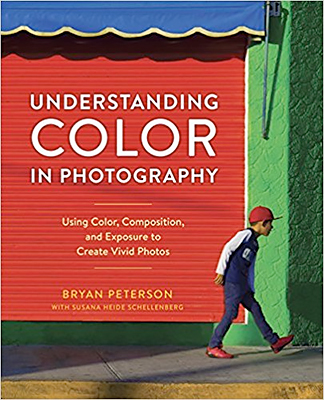
Veteran photographer and instructor Bryan Peterson is best known for his arresting imagery using bold, graphic color and composition. Here he explores his signature use of color in photography for the first time, showing readers his process for creating striking images that pop off the page. He addresses how to shoot in any type of light, and looks at color families and how they can work together to make compelling images in commercial and art photography. He also helps readers understand exposure, flash, and other stumbling blocks that beginning and experienced photographers encounter when capturing images, showing how to get the most out of any composition. With its down-to-earth voice and casual teaching style, Understanding Color in Photography is a workshop in a book, helping any photographer take their images to the next level.
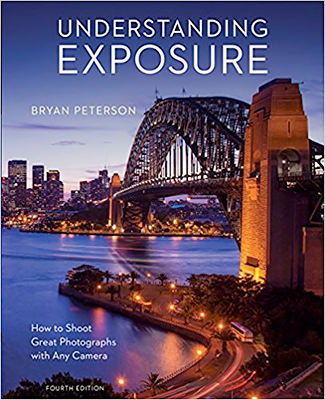
Understanding Exposure has taught generations of photographers how to shoot the images they want by demystifying the complex concepts of exposure in photography. In this newly updated edition, veteran photographer Bryan Peterson explains the fundamentals of light, aperture, and shutter speed and how they interact with and influence one another. With an emphasis on finding the right exposure even in tricky situations, Understanding Exposure shows you how to get (or lose) sharpness and contrast in images, freeze action, and take the best meter readings, while also exploring filters, flash, and light.
With all new images, as well as an expanded section on flash, tips for using colored gels, and advice on shooting star trails, this revised edition will clarify exposure for photographers of all levels.
Discover a whole new way of seeing the world while honing your photography skills across composition, exposure, lighting, lenses, and observation.
Use This if You Want to Take Great Photographs is packed with fun photography prompts and inspiring images by master photographers so you can get creative with your camera. Create your own highly personal photobook by sticking in your pictures with the adhesive corners provided or simply dip in and out when you're stuck for ideas. Whatever your specific interests – street, studio, still life, landscape, or portrait photography – you're free to interpret the prompts in any way you want.
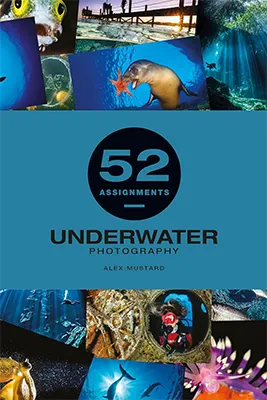
52 Assignments: Underwater Photography is a year’s worth of inspiring weekly assignments to kick-start your creativity.
This collection of photographic workshop assignments is designed to build core skills, expand horizons and kickstart creativity. The book takes readers on an underwater adventure with assignments designed to teach valuable lessons and produce stunning images. It has a year's worth of weekly challenges and concepts for conceiving and composing powerful, dynamic underwater photographs and videos. Complete the assignments weekly over a year, or dip in every time you need to bring a new concept or creative approach to underwater photography.
Full of technical advice and professional tips, the book includes space for readers to add their own notes, lists and tech specs, allowing them to create a unique journal to record the journey they have made with their imagination.
Assignments include: silhouettes, macro backlight and reflections.
With more than 350,000 copies sold, Understanding Exposure has demystified the complex concepts of exposure for countless photographers. Now updated with current technologies, more than one hundred new images, and an all-new chapter, this new edition will inspire you more than ever to free yourself from “auto” and create the pictures you truly want.
In his trademark easy-to-understand style, author Bryan Peterson explains the relationship between aperture and shutter speed, including how to achieve successful exposures in seemingly difficult situations. You’ll learn:
• Which aperture gives you the greatest contrast and sharpness, and when to use it
• Which apertures guarantee the background remains an out-of-focus tone
• Which one aperture—when combined with the right lens—creates an area of sharpness from three feet to infinity
• How to creatively use shutter speed to either freeze an action or imply motion
• Where to take a meter reading when shooting a sunset, snow, or a city at dusk
With new information on white balance, flash, HDR, and more, this updated classic will inspire you to stop guessing and take control of your settings for better photos anytime, anywhere, and with any camera.
The first book in the Understanding Photography series, Understanding Exposure, was a runaway best-seller, with more than 250,000 copies sold. Now author Bryan Peterson brings his signature style to another important photography topic: shutter speed. With clear, jargon-free explanations of terms and techniques, plus compelling “before-and-after” photos that pair a mediocre image (created using the wrong shutter speed) with a great image (created using the right shutter speed), this is the definitive practical guide to mastering an often-confusing subject. Topics include freezing and implying motion, panning, zooming, exposure, Bogen Super Clamps, and rendering motion effects with Photoshop, all with helpful guidance for both digital and film formats. Great for beginners and serious amateurs, Understanding Shutter Speed is the definitive handy guide to mastering shutter speed for superb results.
For some travelers, a hotel is simply a place to stay. For LEONE, it is an experience shaped by atmosphere, people, and a sense of belonging. His third book, *A Place We Like*, grew out of a years-long search for that elusive feeling. Published as the inaugural title under the Leisure imprint of C41 Magazine, the project serves as both a visual guide to some of Europe’s most remarkable hotels and a personal reflection on the meaning of hospitality.
Discover Crossing, Kaplan’s powerful documentary photography project capturing Roxham Road, the irregular Canada-US border crossing used by refugees from 2018 to 2023.
Spurred by Trump-era immigration policies, this tiny site between New York and Quebec became a safe, highly unusual microcosm of global migration. Over four years, Kaplan photographed the entire ecosystem—from local cab drivers and border police to the asylum-seekers themselves. Moving past traditional media tropes of victimhood, these photographs challenge stereotypes to highlight the immense courage and resilience required to step into an unknown future before the site's closure in 2023.
I have spent years looking at Lee Friedlander’s America. It has always been a country of sharp angles, cluttered street corners, and shadows that seem to swallow the photographer whole. So when I picked up his latest monograph, Life Still, I expected the familiar noise of his world. Instead, I found something stranger: a 91-year-old master holding his breath.
Part of a bigger journey of liberation through self-exploration, this new photobook by Jo Ann Chaus is above all a collection of self-portraits, complemented by landscapes, still lifes and domestic interiors observed and inhabited by the photographer-cum-model
Blending photography and poetry, Burnt Eyes explores nostalgia, memory, and identity, offering a profound reflection on the complexities of belonging and the stories that shape us.
Seasons of Time by Nathalie Rubens is an intimate and fearless photobook exploring the emotional distance and deep connection between mother and daughter, while confronting the beauty, vulnerability, and physical reality of a woman’s aging body with rare honesty.
1804 continues Rich-Joseph Facun’s exploration of life in the Appalachian foothills of Southeast Ohio, this time turning his lens toward the local university and its complex, symbiotic relationship with the surrounding community.
GOST Books presents Robin Bernstein’s debut photobook MAPALAKATA, a compelling visual investigation into landscape, memory, and the layered histories of Southern Africa. The project offers a nuanced reflection on how geography is not only inhabited, but continually rewritten through movement, extraction, and shifting narratives of belonging.